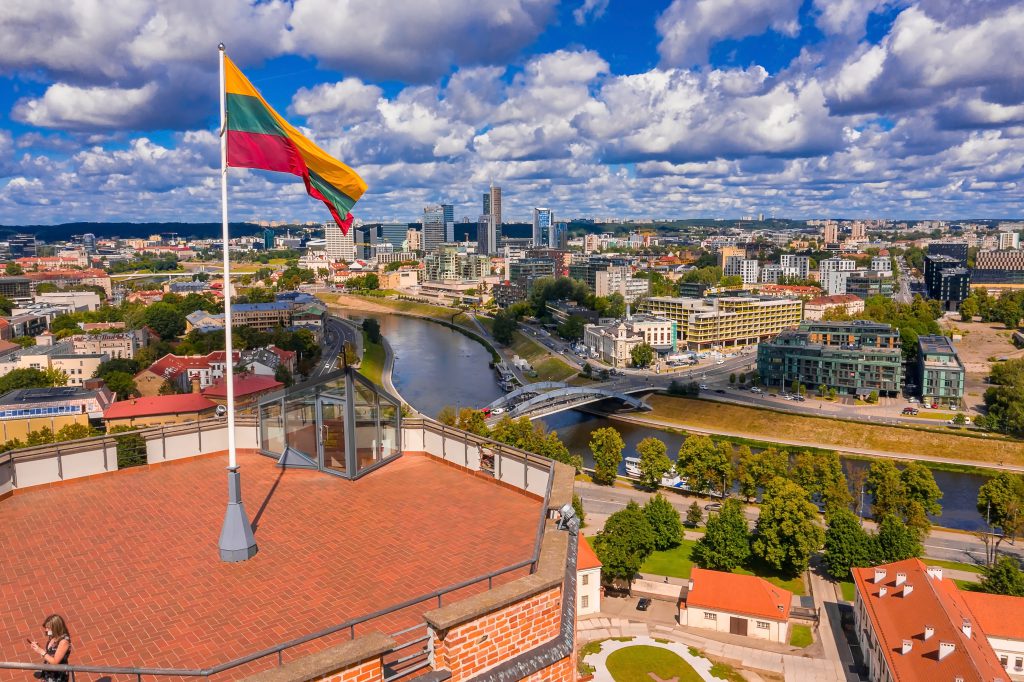
About lithuania Located in Northern Europe Member of the European Union Global leader in laser science Strong in: Fintech, Biotechnology, Laser & Photonics Technology & IT Strong eco-conscious policies Excellent digital infrastructure High Human Development Index Very safe & Affordable living English is widely spoken cold, snowy winters and warm summers Top courses in Lithuania Business Studies Healthcare Tourism and Hospitality Management Studies Technology Studies Why is Lithuania an ideal study abroad destination ? Globally recognised degrees Strong STEM and Business Programs Low Tuition Fees Gap acceptable up to 3 years Work up to 40 hours/week while studying Post-study work visas Scholarships Multicultural and Inclusive Society Safe, clean high living standards Relaxed and outdoor-oriented lifestyle Modern Infrastructure & Tech-Driven Campuses Lithuania Tuition fees Courses Minimum Annual Maximum Annual Bachelor 2500 8000 Master 2200 9000 Diploma 1400 35000 Ph.D 5000 8500 Intakes February, September Monthly Cost of living Accommodation €100 – €700 Food & Groceries €150 – €300 Transportation €5.80 – €36 Internet & Mobile €20 – €30 Utilities €100 – €218 Personal/Leisure €100 – €300 Weather Summer 16℃ - 25℃ Autumn 5℃ - 15℃ Winter -5℃ - 0℃ Spring 2℃ - 15℃ FAQ Can I work while studying in Lithuania? Yes. International students are allowed to work part-time up to 20 hours per week during studies and full-time during academic breaks. Is there a post-study work visa in Lithuania? Yes. Graduates can apply for a 12-month temporary residence permit to look for a job or start a business after completing their studies. Can I bring my family while studying in Lithuania? Yes, but only after you get a temporary residence permit. How long does it take to get a Lithuanian student visa? Visa processing usually takes 4 to 6 weeks